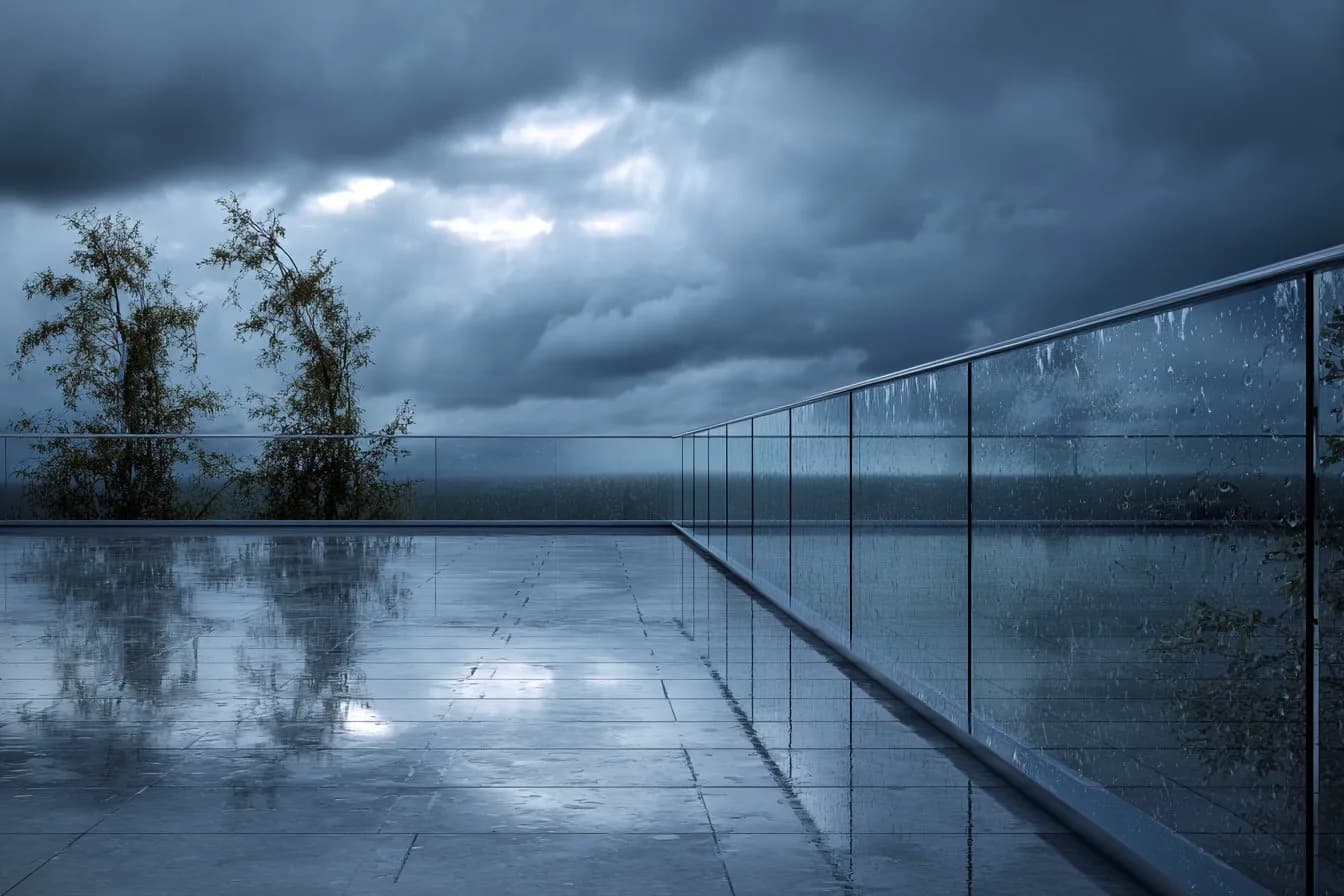
FS 7000
FS 7000 – Glass railing with base profile
Base profile system for projects whose load requirements need separate assessment.
Price based on project scope
Dimensions, finish and delivery location determine the price. You receive an itemised quotation.
Enter dimensions & preferences →Make an enquiryProduct gallery
Catalogue illustrations show design ideas; dimensions, finishes and components are confirmed for your project.


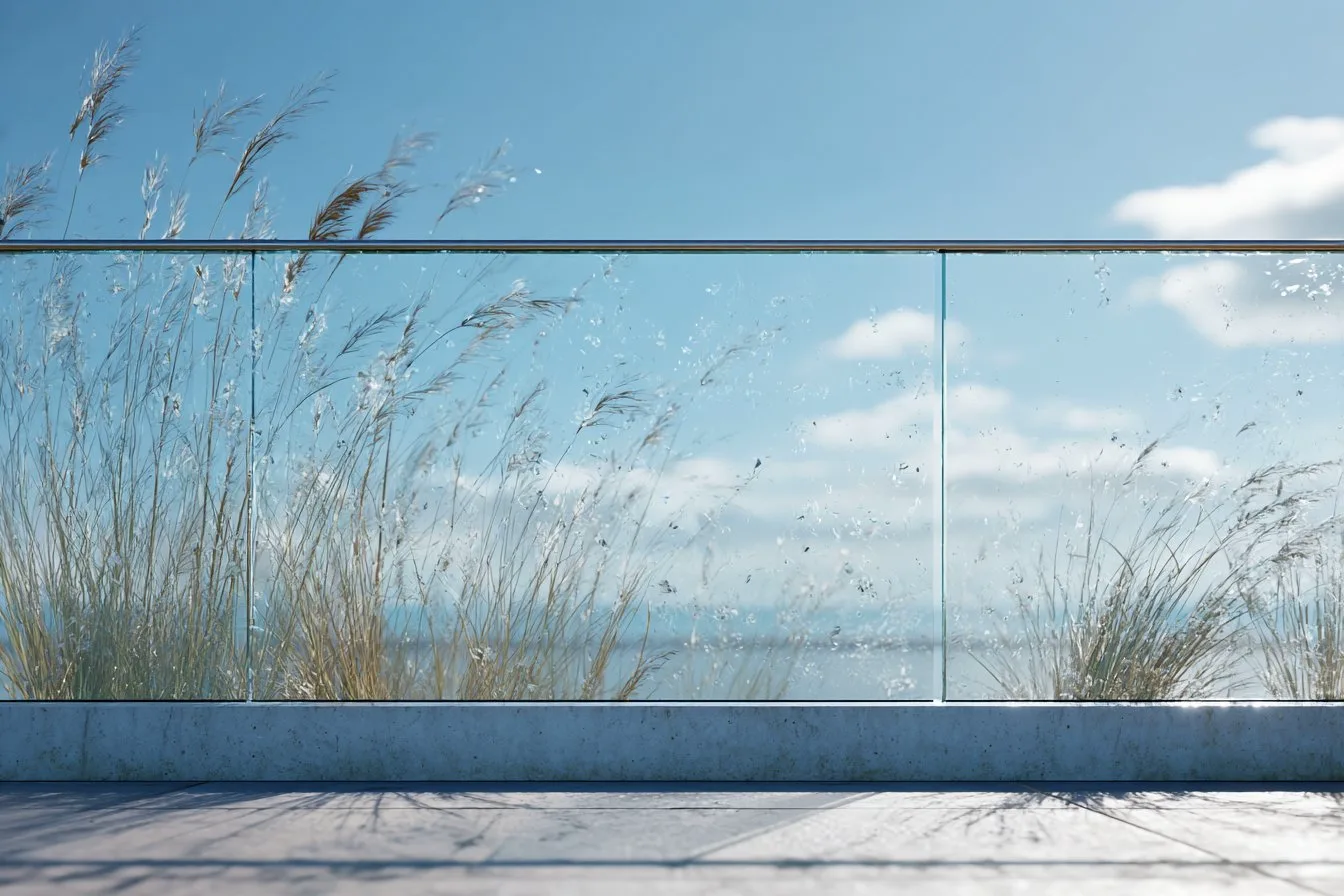
View all images (4)
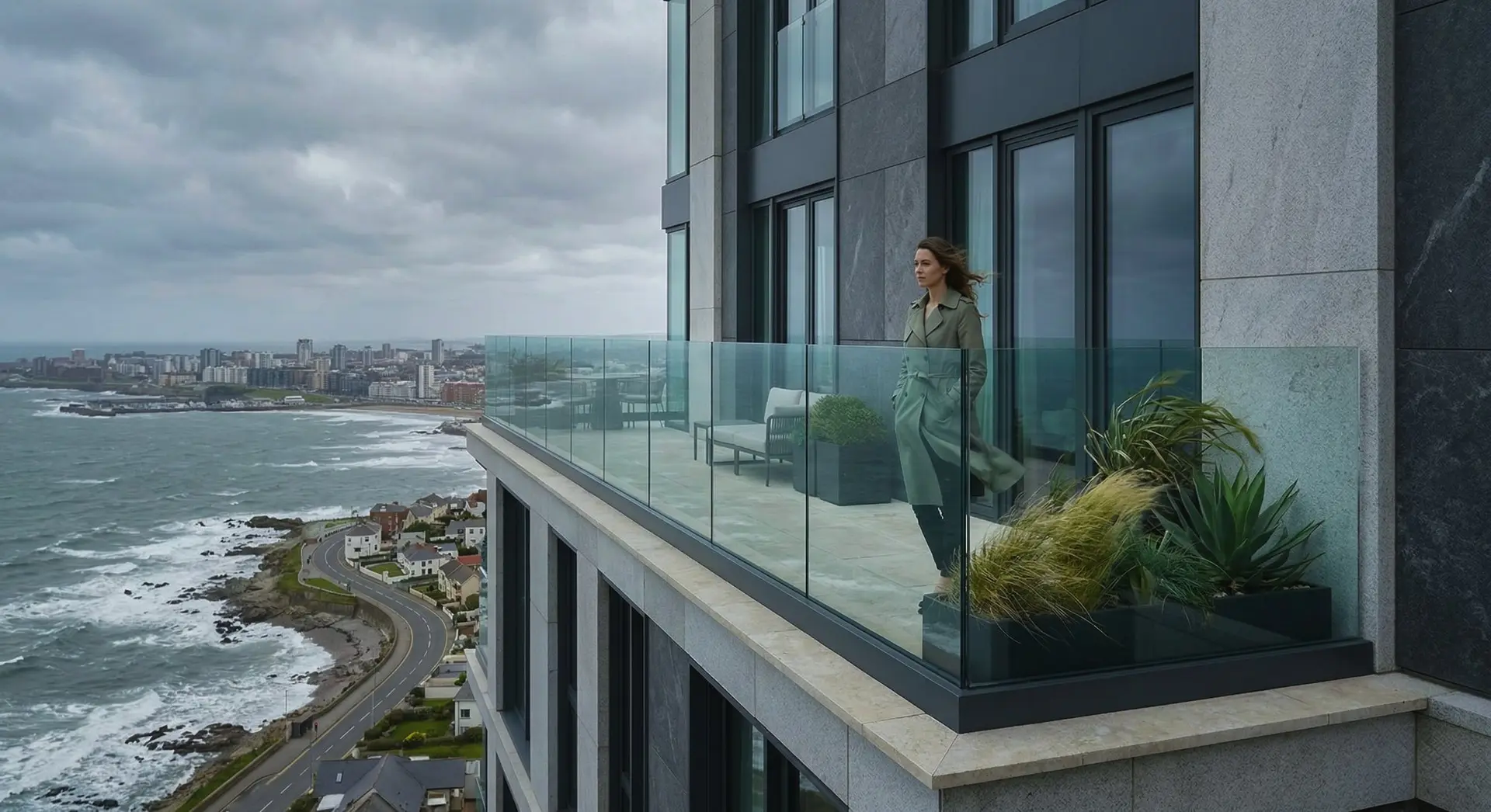
Care and material choice
Compare appearance, privacy, cleaning access and the components included in the quotation. Request care instructions for the selected finish and hardware.
Installation & delivery →Design details
Tell us the total length, height, corners and desired finish. Dimensions are initially planning information.
Scope of supply
Profiles or panels, glass, posts and connectors are listed in the quotation according to the system.
Delivery & installation
Delivery address, access and unloading are clarified before ordering. Installation is included only if agreed.
Your package at a glance
Components for review. Quantities and prices follow after checking your dimensions and preferences.
Delivery format and included parts are still to be confirmed: ready-made module or kit, fixings and delivery. Icons show component groups, not a confirmed bill of materials.
Base profile and covers
To be confirmed
Glass retention and seals
To be confirmed
Fixings and connections
To be confirmed
Glass
To be confirmed
Handrail
To be confirmed
Delivery
To be confirmed
Technical documents & installation
Request the product sheet, installation instructions and required documentation for the chosen assembly. Substrate, fixings and local requirements are checked before installation.
Request documentsCompare more systems
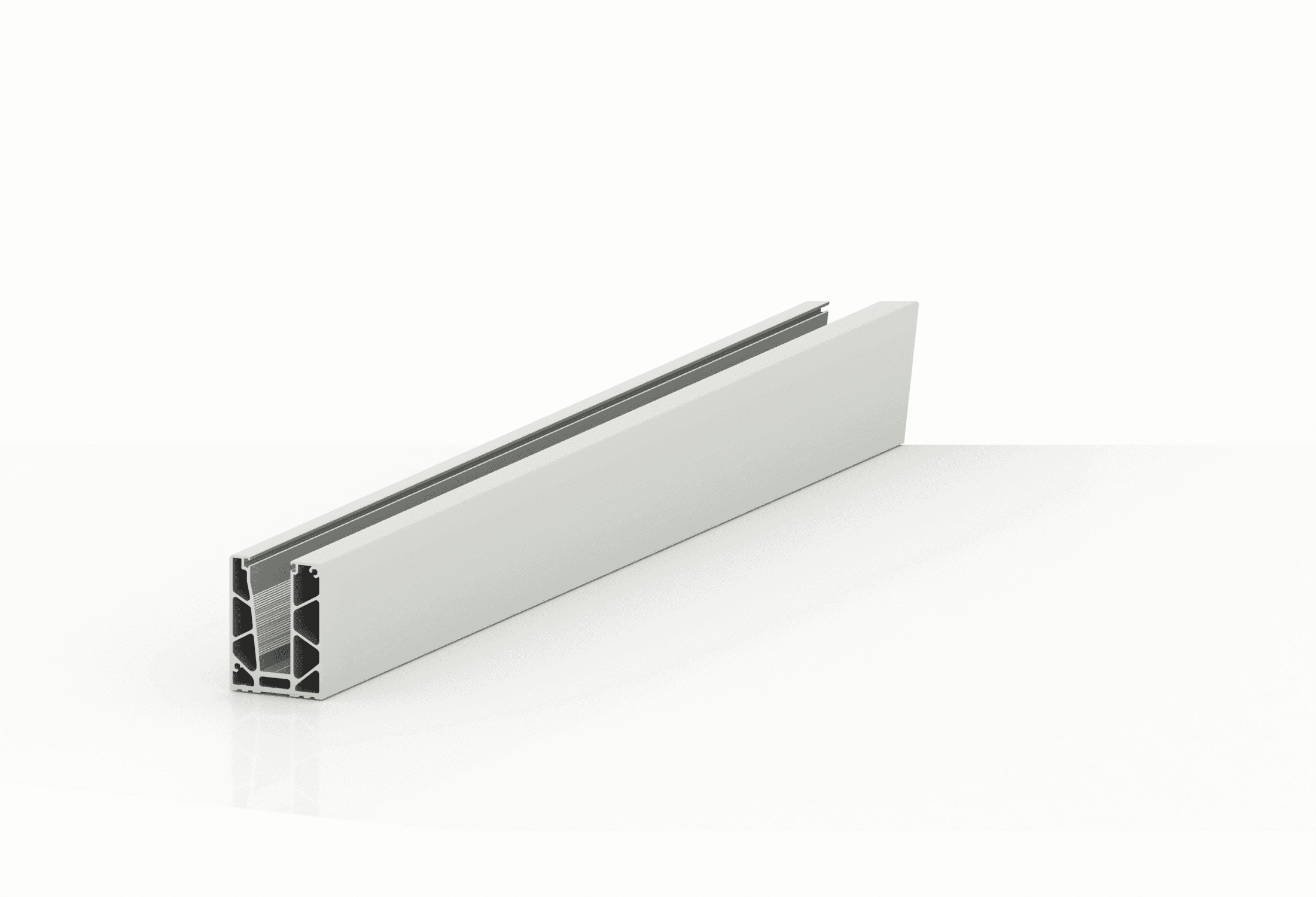
FS 1500
FS 1500 – Glass railing with base profile
Continuous base profile for a clean glass line. Glass specification and fixing are checked for your balcony or terrace.
Details & project enquiry →
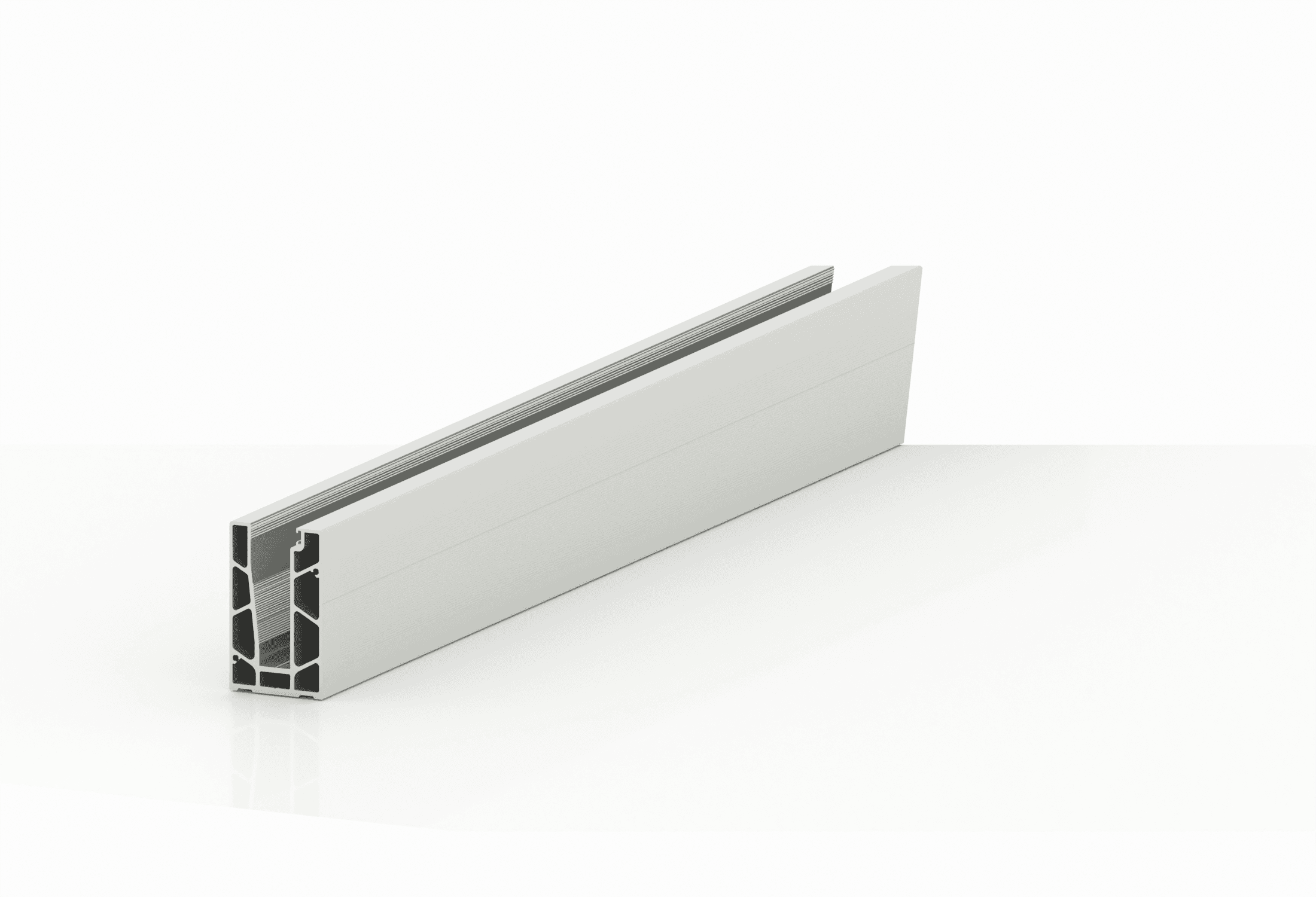
FS 3000
FS 3000 – Glass railing with base profile
Glass railing system with base profile. Compare the profile design for your installation.
Details & project enquiry →
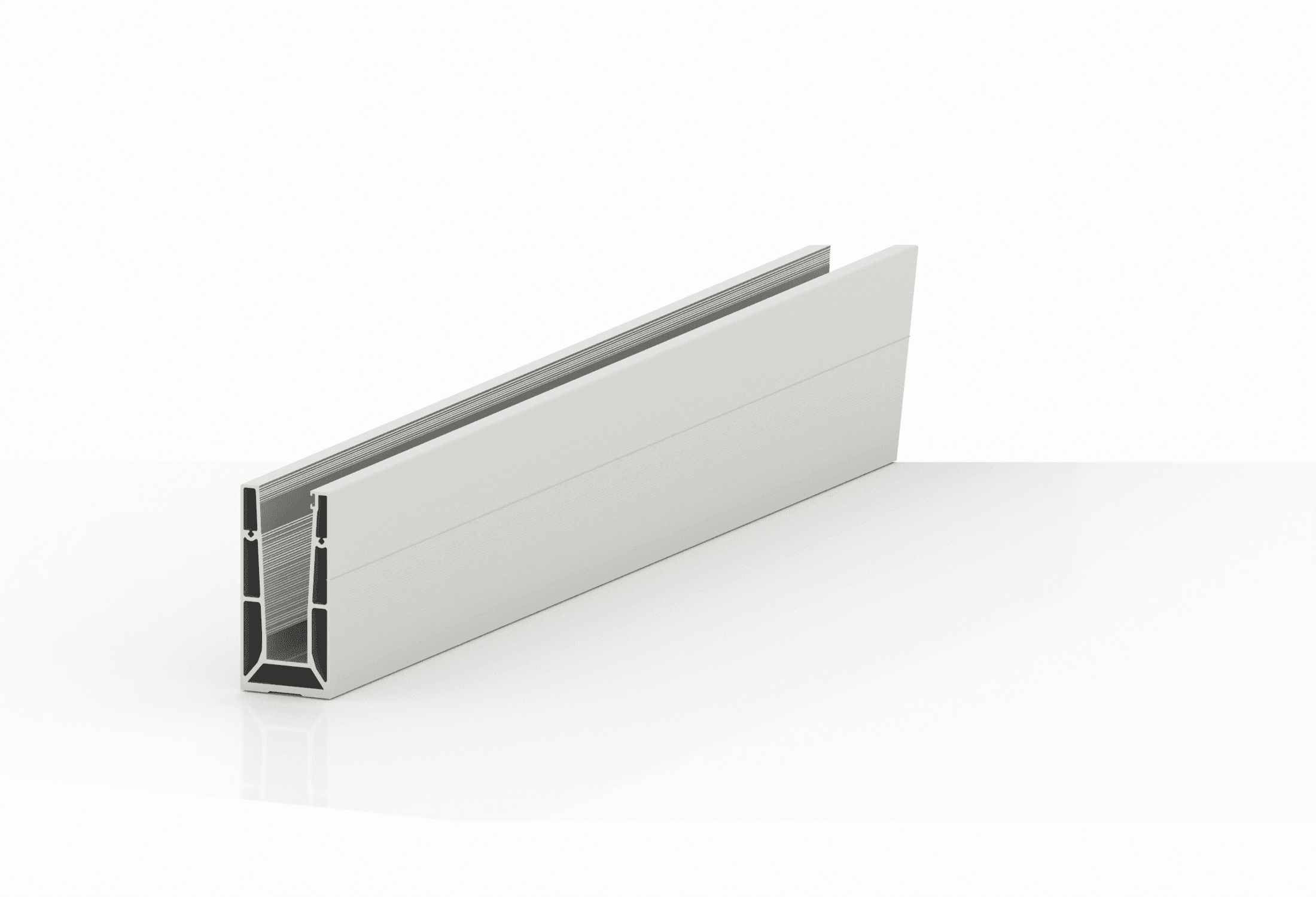
FS 5000
FS 5000 – Glass railing with base profile
Glass railing system with base profile for project-specific glass and connection selection.
Details & project enquiry →