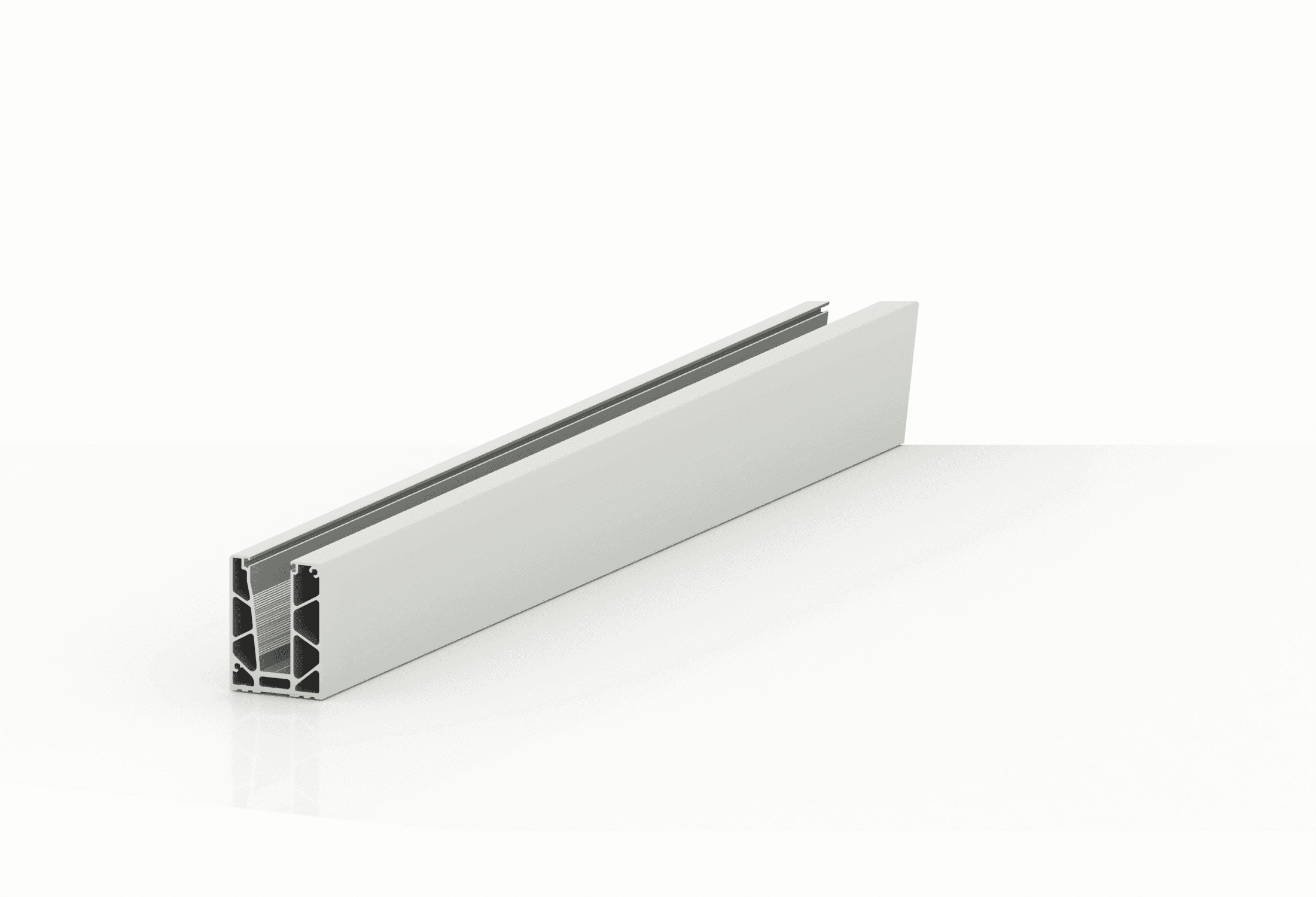
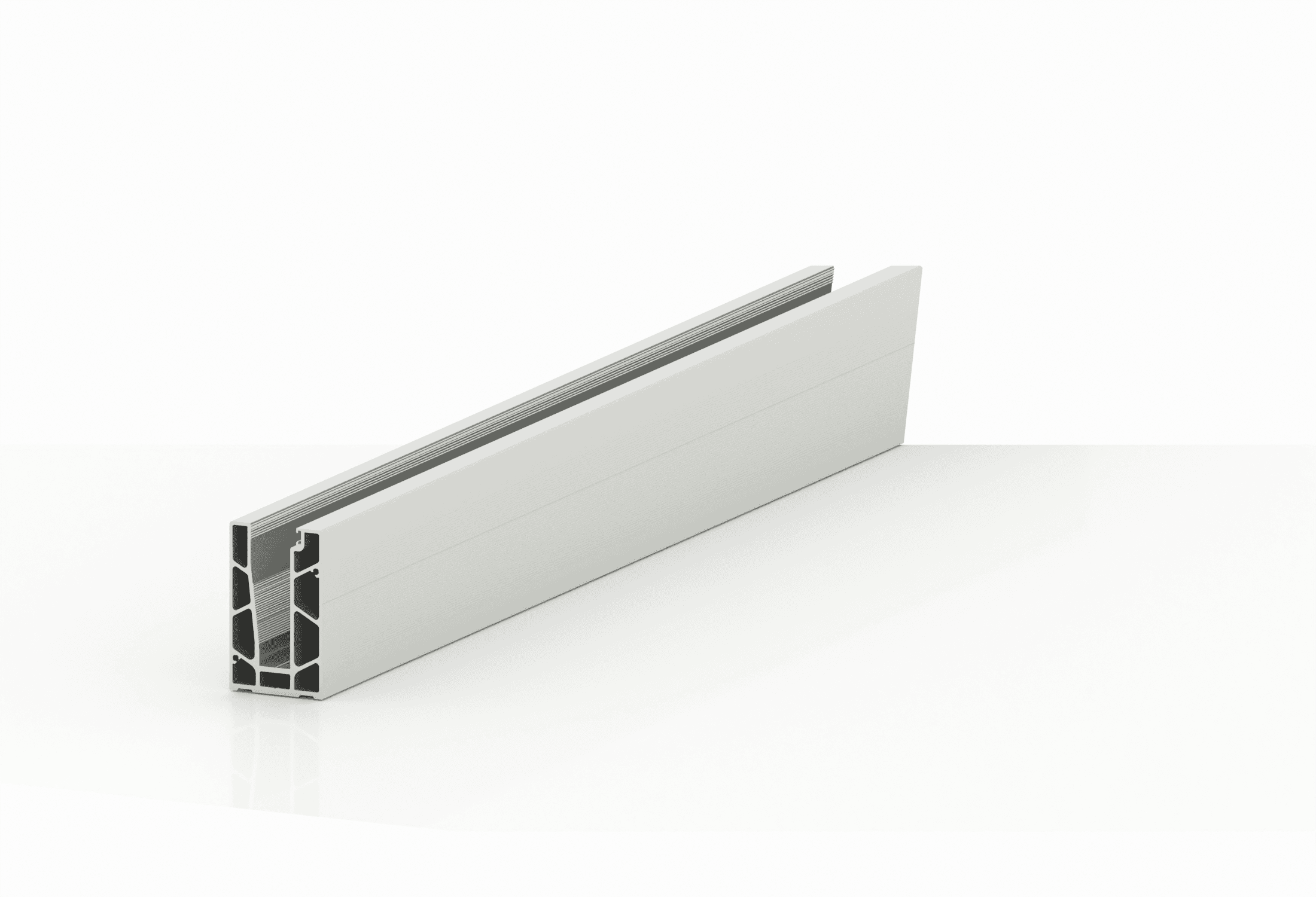
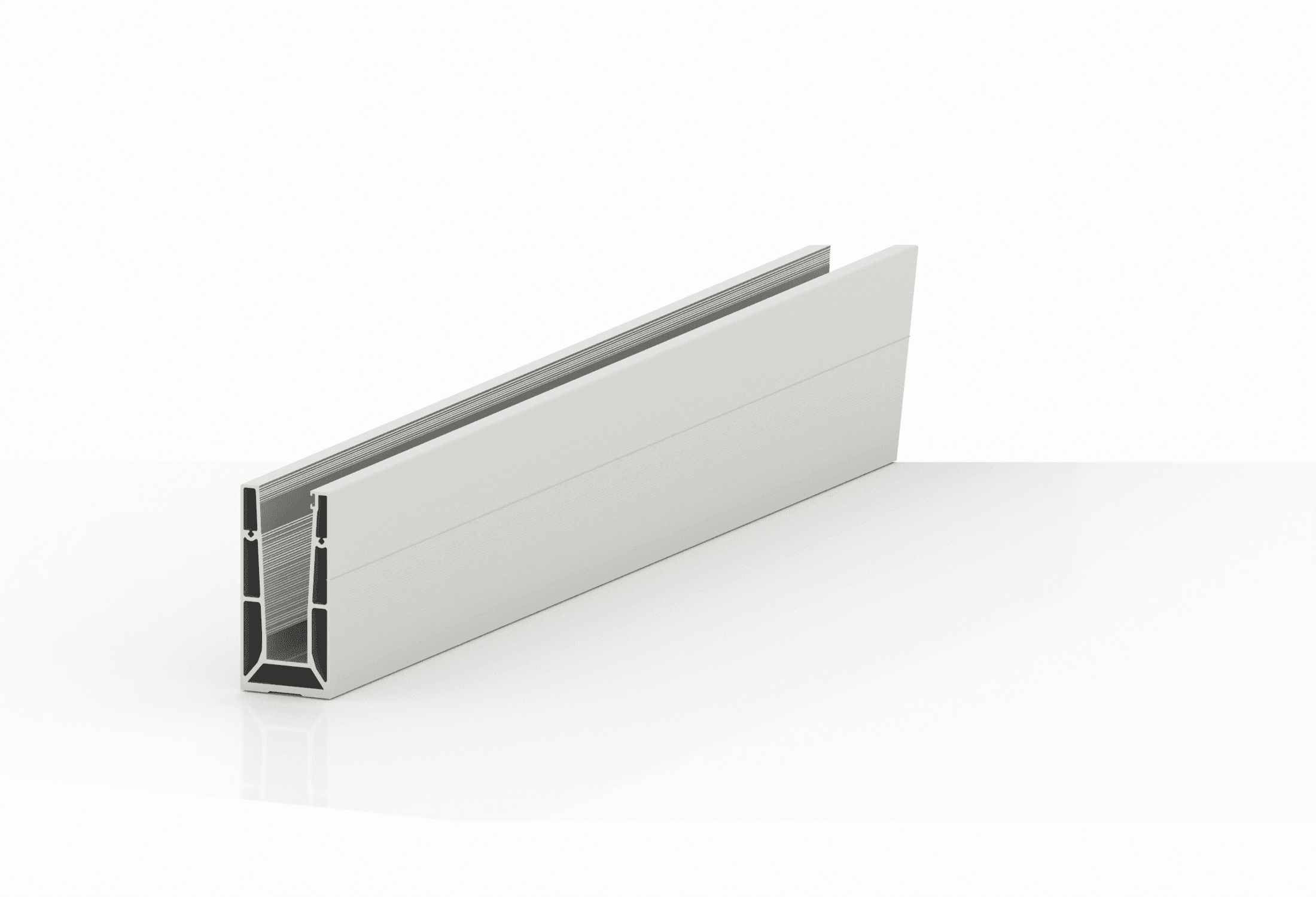
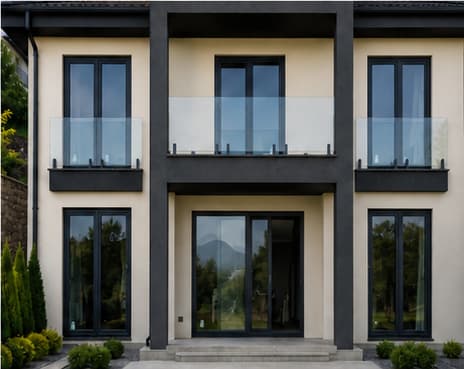
Top-mounted base channel
FS base-channel route for terraces and balcony slabs with a verified fixing surface.
Substrate, waterproofing, anchor pull-out, drainage and line-load category.
Premium frameless glass balustrade systems for balconies, terraces, and staircases.
RAILING ROUTE
Start from the way the edge is built: base-channel glass, post-fixed glass, point-shoe glass, aluminium infill, Juliet guard or boundary system. The model routes stay on this page so the buyer can compare without getting lost.
Selected route
For terraces, balconies and public edges where the main visual target is an uninterrupted glass line.
Best for
Fixing route to verify
Specification checks
Model routes
Use this as a first-pass route only. Final glass build-up, fixing, post spacing and local approval should be checked from project data.
Residential starting route for laminated safety glass.
FS 3000Reinforced route for higher exposure and wider review.
FS 5000Intermediate route between FS 3000 and FS 7000 with a deeper base profile.
FS 7000Public-edge and documented load-review route.
Use this as a first-pass route only. Final glass build-up, fixing, post spacing and local approval should be checked from project data.
A glass railing choice starts with edge condition, not model name. Separate base-channel, side/edge, post, point-shoe and public-edge requirements before asking for drawings or calculation.
FS base-channel route for terraces and balcony slabs with a verified fixing surface.
Substrate, waterproofing, anchor pull-out, drainage and line-load category.
Use when the slab edge or facade detail makes top mounting undesirable.
Edge distance, concrete quality, bracket route, waterproofing and installation access.
VisioAir route where visible rhythm, segmentation or handrail logic helps the facade.
Post spacing, handrail need, glass panels, anchor base and local guard height.
Compact villa or terrace conditions where a continuous base channel is not the preferred visual detail.
Parapet depth, shoe spacing, glass build-up, edge distance and wind exposure.
System family, profile route and typical applications.
Fixing surface, anchor and drainage checks.
VSG/ESG route to confirm with project data.
Drawing pack requested after mounting route is known.
Inputs before load and approval review.

Frameless glass balustrade with aluminium base channel. Clean, minimalist design for residential and commercial applications.

Commercial-route frameless glass balustrade with reinforced base for larger panels and documented load review.

Intermediate frameless glass balustrade route with a deeper base channel between FS 3000 and FS 7000.

Heavy-duty frameless glass railing with reinforced aluminium base channel for public and commercial projects that need documented load review.

Post-mounted glass balustrade with powder-coated aluminium posts. Maximum transparency, EN 14179 ESG-H + VSG, DIN 18008-4 ready.

Square-spigot glass railing for private villa balconies and compact terraces. Individual square point shoes, 6+6 mm VSG laminated glass route and project-specific fixing review.
The FS range is presented as a project-specification path, not a single generic glass railing. Visitors can compare residential, commercial and heavy-duty requirements, then move into the standards, approval and calculation routes that specifiers expect.
Each visible FS system is described around laminated safety glass, aluminium base-channel support and the application context before a buyer opens the model page.
The category surfaces the practical reason to move from FS 1500 to FS 3000 or FS 7000: project load, wind exposure, edge condition and public-use expectations.
The proof copy highlights the technical terms buyers and specifiers expect to see before requesting documents, shop drawings or a project quotation.
Before a system is treated as ready for procurement, the page points specifiers toward the glass, wind and country-specific approval checks that normally decide the final build-up.
Send opening width, edge condition, fixing surface and project country so the system route can be checked before quotation.
These answers are written for buyers, architects and specifiers that need a clear first-pass decision before opening a model page or requesting calculations.
Start with the expected use case and edge condition: residential terraces normally begin with FS 1500, commercial or more exposed edges move toward FS 3000, and heavy public-edge projects should be reviewed around FS 7000 before quotation.
Check glass standards →The useful first package is opening width, fixing surface, edge detail, project country, wind exposure and intended glass build-up. That lets the technical team decide whether the route needs DIN 18008, EN glass references or a project-specific calculation.
Open wind calculator →No. The category page narrows the likely system family; final glass thickness, laminated build-up, fixing detail and local approval route should be confirmed from project data.
Read approval guide →Use the standards hub and engineering guides to qualify glass build-up, wind load and approval route before requesting project documents.
EN 12150, EN 14179, EN 14449 and DIN 18008 mapped by application.
Germany approval checklistBuyer-facing DIN 18008 approval route for balconies, terraces and public glass railings.
DIN 18008 guideGerman glass-building rules for railings, balustrades and supported glass.
EN 12150 vs EN 14179When toughened glass needs heat-soak treatment and laminated build-up.
Wind and snow calculatorCheck site wind pressure against the VisioMod product envelope.
Market routesOpen buyer-intent pages that connect this product family to country, channel and project searches.
Use this checklist before comparing FS systems or asking for documents. It keeps the first conversation focused on the details that usually change the railing route.