Skip to content
Free Consultation
Documented for European project requirements
Home/All Products/Glass Door Systems
VisioModVISIOMOD

Glass Door Systems

Sliding, folding, and guillotine glass wall systems for flush indoor-outdoor transitions.

Available Models (3)

SPECIFIER PROOF

Glass wall systems separated by opening movement

The Soglia range is framed around how the opening should move: sliding panels for compact stacking, folding panels for full-width clearance, and vertical lift glass where side storage is not available.

Sliding transition

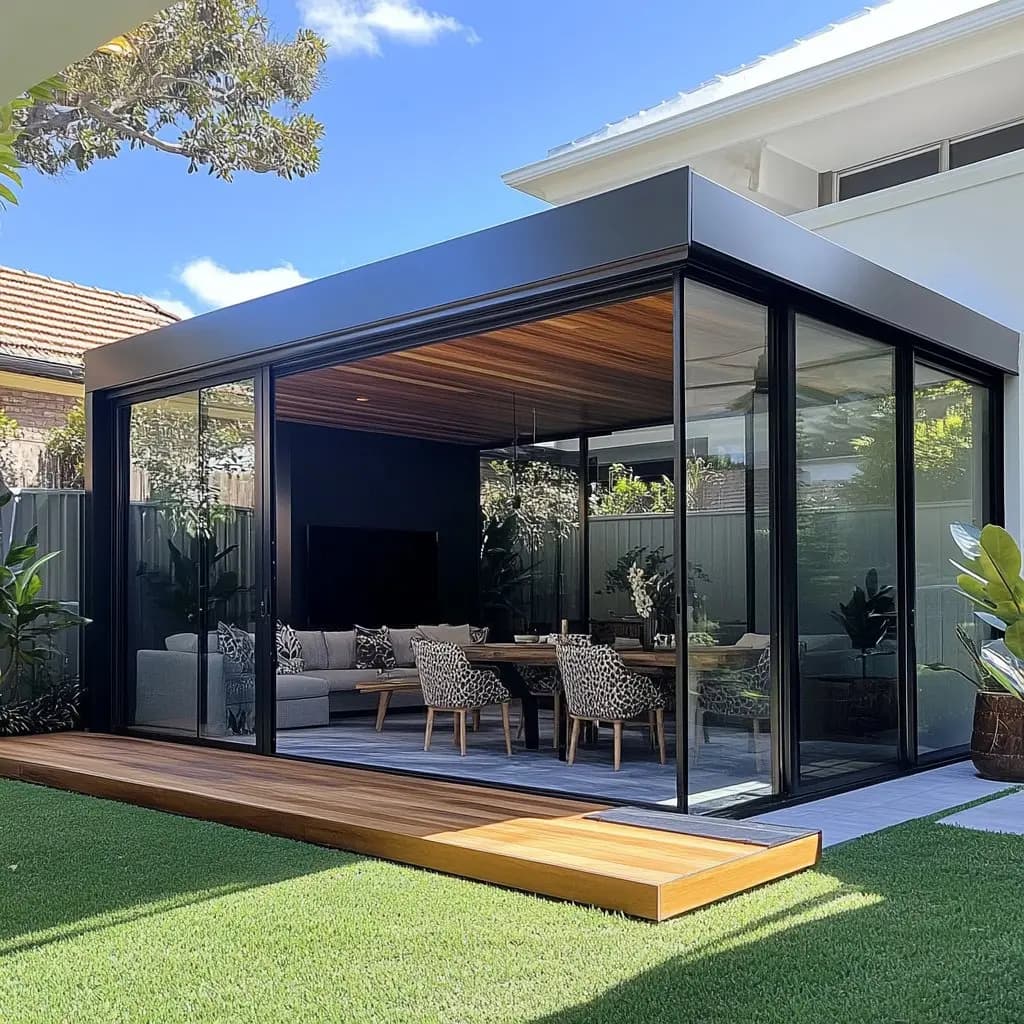
FrontSlide is positioned for terraces, restaurants and balconies where glass panels need to move horizontally and stack compactly.

  • Frameless sliding glass panels
  • Multi-track aluminium system
  • Compact side stacking

Full-width folding

FrontFold is described as the option for wide openings where the project needs a larger clear aperture than a sliding panel layout can provide.

  • Bi-fold aluminium glass doors
  • Thermal break option
  • Modular configurations reviewed by project

Vertical lift use case

The guillotine system is made visible as a hospitality-grade solution for counters, cafes and openings where horizontal travel is limited.

  • Motorised vertical sliding glass
  • Panels recess into the ceiling zone
  • Up to 5 m x 3 m, any RAL frame finish
PRODUCT ANSWERS

Practical answers for sliding, folding and lift glass systems

These answers help buyers separate terrace glazing, folding openings and vertical lift glass before requesting dimensions or project review.

When should a project choose sliding glass instead of folding glass?

Choose sliding glass when the project needs compact side stacking, simple panel movement and a clean terrace, balcony or restaurant glass wall. Choose folding glass when the priority is the widest clear opening and the panels can stack at the side.

Compare glass door systems

What makes guillotine glass different from sliding or folding glass?

Guillotine glass moves vertically, so it suits cafes, counters and openings where there is not enough side space for sliding or folding panels. The opening size, fixing frame and control route should be checked before quotation.

Review glass standards

What data is needed before a glass wall quote?

Useful first data includes opening width and height, indoor or outdoor use, wind exposure, desired stacking side, threshold expectations and whether the project needs sliding, folding or vertical movement.

Pre-check site loads
SPECIFICATION REFERENCES

Glass wall specification references

Use the related standards pages to align sliding, folding and vertical glass systems with glazing and wind-load requirements.

PROJECT SELECTION CHECKLIST

Project data that decides the glass wall route

Start with how the opening should move, then check frame, threshold and exposure details before comparing Soglia systems.

Opening movement
sliding, folding or vertical lift operation
Stacking need
side stacking space, clear opening target and panel parking zone
Frame context
terrace, balcony, cafe counter, veranda or existing structural frame
Exposure
wind, rain, threshold use, glazing expectation and automation requirement