Glass Railing Substrate and Anchor Checklist Before Quotation.
What specifiers, dealers and contractors should document before asking for a glass railing quote: substrate, edge distance, waterproofing, anchors and access.
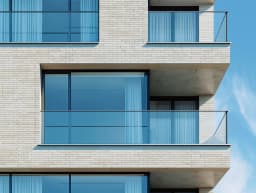
Many glass railing delays start before the model is even selected. The product family may be clear, but the substrate and anchor route are still unknown. A quotation that ignores concrete quality, edge distance, waterproofing and fixing access is only a visual estimate.
Direct answer
Before requesting a glass railing quote, document the substrate, edge distance, fixing face, waterproofing layer, fall height, railing height, glass module length and site exposure. These inputs decide whether a base shoe, side-mounted profile, post system or point fixing is realistic.
Substrate type
Concrete, steel, masonry, stone and timber-backed structures behave differently. A concrete slab may allow mechanical or chemical anchors, but only if edge distance and concrete quality are suitable. A steel beam may need welded plates or bolted brackets. Masonry and lightweight build-ups often require a secondary structure before a railing can be treated as fall protection.
Edge distance
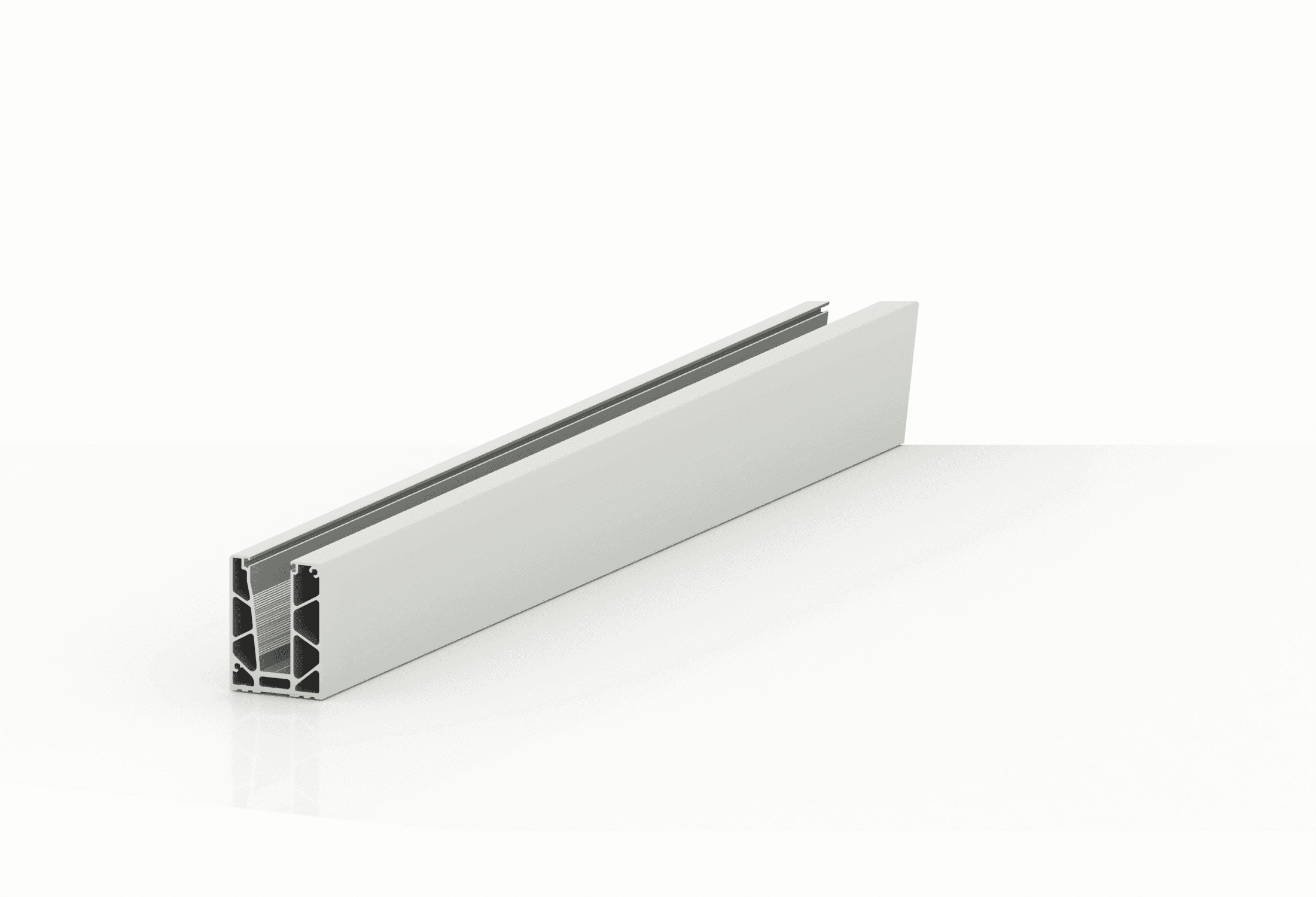
Edge distance is one of the most common missing values. If the fixing is too close to the slab edge, the anchor may not perform as expected. This matters especially for top-mounted base shoes and spigots. Side-mounted systems also need clear information about slab thickness and reinforcement position.
Waterproofing
Balcony and roof-terrace railings interact with membranes, screeds, tiles, drainage falls and facade junctions. A technically strong railing can still create a failure if water is trapped at the profile or if anchors penetrate the waterproofing without a planned sealing detail.
The project brief should identify whether the railing is fixed before or after waterproofing, whether the membrane turns up behind the profile and how water leaves the edge zone.
Anchor route
Do not choose anchor diameter from a generic table. Anchor selection depends on load, concrete class, cracked or uncracked concrete, edge distance, corrosion exposure, installation access and local rules. Chemical anchors, mechanical anchors and through-bolts each have different tolerances and inspection needs.
Access and sequencing
Installation access is often underestimated. Can the installer reach the fixing face? Is there room to drill straight? Can glass panels be lifted safely? Are finished floors already installed? A side-mounted profile may look perfect on a drawing but become difficult if scaffolding or balcony access is not available.
Safe quotation package
A useful first package includes drawings or photos, site location, building use, fall height, substrate type, edge distance, intended glass height, module rhythm, waterproofing status, colour and handrail preference. If wind exposure, coastal environment or public use applies, state that clearly.
FAQ
Can a railing be quoted from dimensions only?
A budget range can be given, but a technical quotation needs substrate and fixing information. Dimensions alone do not confirm anchoring or waterproofing.
Is chemical anchoring always better?
No. Chemical anchors can be excellent in the right substrate, but they depend on hole preparation, curing, temperature and edge distance. Mechanical anchors or steel brackets may be better in other conditions.
When should waterproofing be discussed?
At the start. Railing, membrane and drainage details should be coordinated before site work begins, not after the profile has been installed.
Conclusion
The anchor route is not a small installation detail; it is part of the railing system. Better project inputs produce safer model selection, cleaner quotations and fewer site changes.
Explore our product range or get in touch.